Safely Discard PPE

Posted on 15/03/2025

Personal Protective Equipment (PPE) has become an essential part of our lives, especially during the pandemic. Items such as masks, gloves, face shields, and gowns are crucial for protecting us from harmful pathogens. However, what happens to these items once they're no longer needed? Proper disposal is critical to prevent environmental contamination and the spread of infections.

The Importance of PPE Disposal


Improper disposal of PPE can have severe consequences. Used PPE can become a vector for infection if not discarded properly, posing a risk to both waste management workers and the public. Additionally, PPE materials like plastic can have detrimental effects on the environment, contributing to pollution and potentially harming wildlife.

The image depicts two wooden tables positioned against a plain white wall in an indoor setting, possibly a furniture showroom or storage area. The smaller table on the left has a polished, dark brown finish with a single drawer featuring a small, round brass handle, and stands on four turned, slightly tapered legs with decorative carvings. The larger table on the right also has a matching polished dark brown finish, with a broad rectangular surface composed of wooden planks with visible grain and slight ridges along the edges, and features a single shallow drawer with a round brass handle located centrally on the front panel. It rests on four similarly styled, turned legs with slight carvings, creating a sturdy appearance. The surrounding environment includes a beige carpeted floor and two potted plants—one with a slender trunk and narrow leaves located to the right, and another with a thicker trunk and broader leaves located to the far right corner—indicating a well-maintained interior space. This scene supports the concept of indoor furniture management, and the clean, organized presentation aligns with services such as rubbish removal or furniture disposal, as provided by Ben and Jerry, in contexts where careful furniture handling or alternative waste disposal methods, like private collection, might be relevant.

Guidelines for Safe Disposal


To ensure PPE is discarded safely, follow these guidelines:
1. Segregate Waste: Separate PPE waste from general waste. Use a dedicated bin to avoid cross-contamination.
2. Seal Bags Tightly: Place used PPE in a plastic bag, seal it tightly, and then put it in a secondary bag for additional security.
3. Label Bags Correctly: Label the bags as medical waste if necessary, so waste management personnel can handle them appropriately.
4. Follow Local Regulations: Always adhere to local waste disposal regulations, which may include specified pick-up times and approved disposal sites.
5. Use Appropriate Bins: Utilize bins designed for medical waste, which are usually color-coded for easy identification.

Eco-friendly Disposal Methods


While safety is paramount, eco-friendly disposal methods can help reduce the environmental impact:
1. Reusable PPE: Invest in reusable PPE like cloth masks and washable gowns to minimize waste.
2. Proper Recycling: Some types of PPE can be recycled. Check local guidelines to see if there are dedicated recycling programs available.
3. Biodegradable Options: Opt for biodegradable PPE when available. These items break down more easily in the environment.
Essential Tips for Households and Businesses


- Educate and Train: Ensure everyone in your household or business knows the proper disposal procedures.
- Maintain Cleanliness: Regularly clean and disinfect the bins used for PPE disposal.
- Emergency Kit: Keep an emergency kit with gloves, masks, and hand sanitizer in case of sudden exposure.

Pros and Cons of Different Disposal Methods


Pros:
- Safety: Proper disposal minimizes the risk of infection.
- Environmental Protection: Utilizing eco-friendly methods can significantly reduce pollution.
- Efficiency: Following guidelines ensures quick and efficient waste management.

Cons:
- Cost: Specialized disposal methods can be more expensive.
- Inconvenience: Proper disposal methods may require more time and effort.
- Knowledge Gap: Lack of awareness can lead to improper disposal practices.

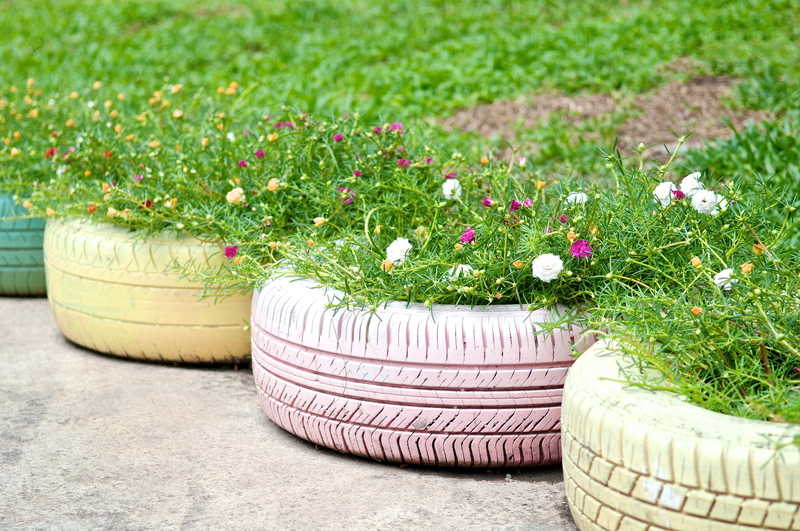
The image depicts three large, repurposed tires used as planters, positioned on a paved surface in an outdoor setting. The tires are arranged in a row, with the middle tire painted in a light pastel pink color and the two outer tires painted in a pale yellow shade. Each tire is filled with a variety of small, colorful flowering plants that include white, pink, and purple blooms, along with green, leafy foliage. The tires’ textured rubber surfaces are visible through the paint, and the plants spill over the edges, creating a lush, overgrown appearance. In the background, there is a well-maintained grassy area, with patches of soil and a slight incline, suggesting a garden or outdoor landscape. Natural daylight illuminates the scene, casting soft shadows on the pavement and highlighting the vibrant colors of the flowers and painted tires. This image subtly relates to creative or alternative rubbish and waste repurposing, aligning with the concept of environmentally conscious waste management and on-site clearance services often associated with independent disposal options provided by companies like Ben and Jerry.

Key Takeaways


- Proper PPE disposal is crucial for safety and environmental protection.
- Follow local guidelines and use proper waste segregation techniques.
- Consider eco-friendly and reusable options to minimize waste.

Conclusion


Properly discarding PPE is essential to maintaining public health and protecting the environment. While it might take extra effort and resources, the benefits far outweigh the drawbacks. By following the guidelines and tips provided, you can effectively manage PPE waste safely and responsibly. Remember, everyone has a role to play in ensuring a safer, healthier world.

Latest Posts

Cutting Down Waste in the Workplace

Safely Recycling Your Printer

Recycling Your Old Cookware

Thames River's Battle with Plastic Waste

How to Be Eco-Conscious in Daily Life

The image depicts a large outdoor area, likely a driveway or paved yard, with a collection of waste materials arranged in a way that suggests an active rubbish removal process. Prominent in the foreground are two large black plastic rubbish bags, tightly sealed, resting on the ground. Behind these, there are several cardboard boxes, some flattened, with visible corrugated edges, and a mixture of plastic packaging, possibly including polythene or similar sheeting, filled with miscellaneous waste. To the right, a metal garbage bin with a closed lid is positioned near the packaging, indicating private waste handling or on-site collection activities. The environment appears to be residential or commercial, with the paving surface clean and free of debris aside from the waste materials. The lighting is natural, suggesting daytime, with overall clarity and no significant shadows obstructing detail. This scene exemplifies the type of rubbish that might be collected by professional waste removal services like Ben and Jerry, supporting alternative waste disposal solutions outside standard municipal collection, particularly for PPE or non-regular rubbish items.
Maddison Nellist

Maddison, an experienced removals manager, specializes in managing various removals with an environmentally conscious approach. Her organizational proficiency and meticulous attention to detail establish her as a highly sought-after consultant.