Upcycling Waste: Creating Art from Discarded Materials
Posted on 29/05/2024
In today's consumer-driven society, we often overlook the impact of our daily waste on the environment. With constant advertisements and new products being introduced every day, it's easy to get caught up in the cycle of buying, using, and disposing. However, what if we could turn this waste into something beautiful and meaningful? This is where the concept of upcycling comes in - taking discarded materials and transforming them into works of art.
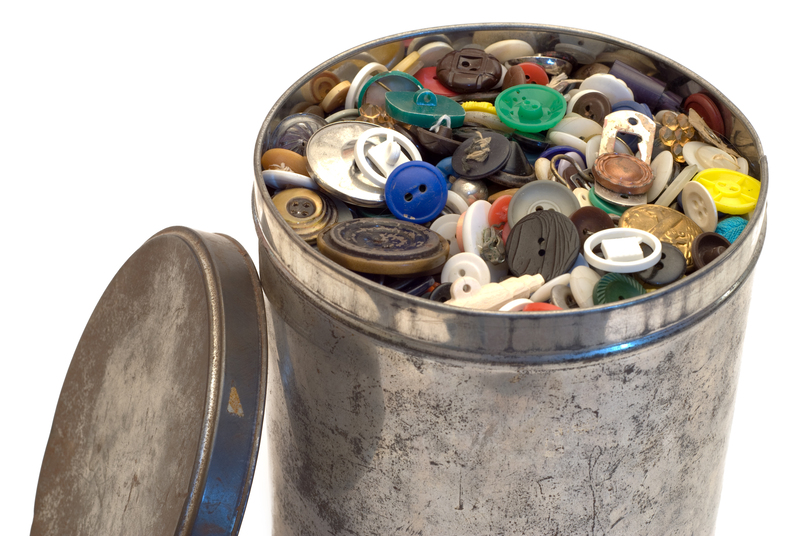
What is Upcycling?
Upcycling is the process of repurposing used or discarded materials into new products or objects that are of higher quality and value than their original form. Unlike recycling which breaks down materials into their basic components, upcycling involves taking these materials as they are and using them creatively to give them a new purpose.
One of the main benefits of upcycling is that it reduces waste. By finding new uses for old items, we can decrease the amount of garbage produced and ultimately lessen our impact on the environment. Upcycling also promotes creativity and innovation, as it challenges us to think outside the box and use our imagination to transform ordinary objects into something extraordinary.
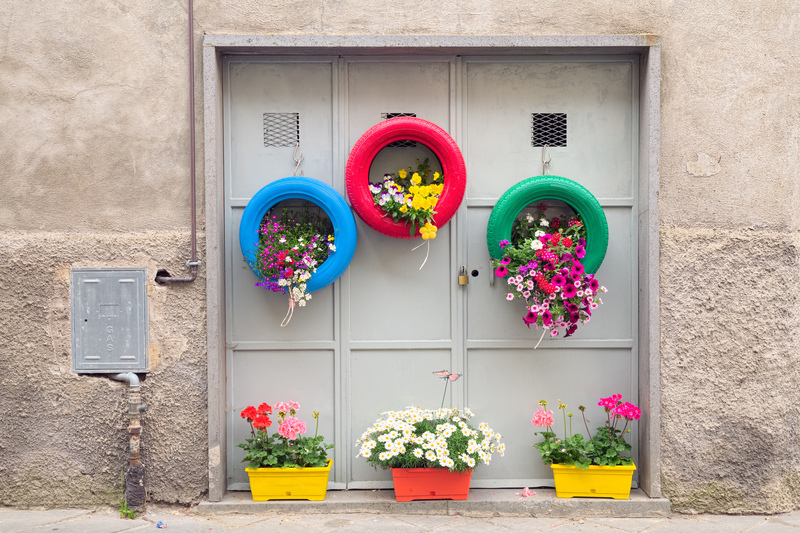
How Can You Upcycle Waste?
The possibilities for upcycling are endless - from household items like jars and bottles to larger items like furniture and building materials. Here are some tips on how you can upcycle waste and create your own unique pieces of art:
1. Start Small: If you're new to upcycling, start with small projects like turning old t-shirts into tote bags or creating a vase out of a glass bottle. This will help build your skills before moving on to bigger projects.
2. Look for Inspiration: The internet is a great source for upcycling ideas. Browse through blogs, Pinterest boards, and social media accounts to find inspiration and tutorials for different projects.
3. Get Creative with Materials: Don't limit yourself to just one type of material - upcycling is all about finding new uses for various objects. Combine different materials like fabric, paper, and wood to create unique and one-of-a-kind pieces.
4. Think Functionality: While the end result may be a beautiful piece of art, it's important to also consider its functionality. Upcycling should not only look good but also serve a purpose.
5. Support Local Thrift Stores: Thrift stores are a treasure trove for upcycling materials. Not only will you find unique items at affordable prices, but you'll also be supporting a sustainable way of shopping.
The Pros and Cons of Upcycling Waste
Just like any other practice, there are pros and cons to upcycling waste. Let's take a look at some of them:
Pros:
1. Reduces Waste: As mentioned before, upcycling helps reduce the amount of waste that ends up in landfills or incinerators.
2. Promotes Creativity: Upcycling encourages us to think creatively and explore new ways of using everyday objects.
3. Cost-effective: Instead of buying new materials, upcycling allows us to repurpose existing ones, saving us money in the process.
4. Personalized Items: By creating something yourself, you can infuse your own personal touch into it, making it truly one-of-a-kind.
Cons:
1. Time-consuming: Upcycling projects often require more time and effort compared to buying something new - from sourcing materials to actually creating the final product.
2. Limited Durability: Depending on the material used and how well it is treated, upcycled items may not have the same durability as their original form.
3. May Require Specialized Skills: Some upcycling projects may require specialized skills or tools which can be a barrier for some individuals.
Takeaways:
- Upcycling is a sustainable way to reduce waste and promote creativity.
- It involves repurposing used or discarded materials into new and useful items.
- Upcycling can be done on a small or large scale with various materials.
- It has benefits such as reducing waste, promoting creativity, and saving money.
- However, it may also have drawbacks such as being time-consuming and requiring specialized skills.
Conclusion:
In conclusion, upcycling waste is an innovative and eco-friendly way to turn trash into treasure. It not only reduces our impact on the environment but also encourages us to think outside the box and get creative. With a little effort and imagination, we can all contribute to a more sustainable future by upcycling waste into beautiful works of art. So next time you're about to throw something away, think about how you can give it a new life through upcycling. Your trash could be someone else's treasure.
Latest Posts
Cutting Down Waste in the Workplace


 office@benandjerry.org.uk
 https://benandjerry.org.uk/

