Recycling Options for Old Carpets

Posted on 22/05/2025

Carpets are an integral part of our living spaces, providing comfort, aesthetic appeal, and insulation. However, carpets don't last forever, and at some point, you will need to replace them. Instead of sending your old carpets to the landfill, recycling them is an environmentally friendly option. This article explores various recycling options for old carpets, the pros and cons of each method, and tips for ensuring a smooth recycling process.


1. Manufacturer Take-Back Programs

Many carpet manufacturers have established take-back programs to recycle old carpets. These programs involve collecting the carpet and repurposing the materials for new products.


    • Pros: Supports the circular economy, often free of charge.

    • Cons: Limited to specific brands, availability varies by location.


A close-up view of a collection of vintage wooden drawers arranged in a grid pattern, each with distinct colors, textures, and hardware. The drawers include a variety of finishes, from weathered and darkened stained wood to brighter painted surfaces in red, white, teal, yellow, and natural wood tones. Some drawers feature ornate, brass or painted handles, while others have simple round knobs or small metal pulls. A few are equipped with keyholes, indicating lockable compartments. The wooden surfaces show signs of age, with visible scratches, chipped paint, and worn edges, suggesting prior use in a workshop or antique furniture piece. The composition is tightly framed, emphasizing the diverse materials and hardware details, with no background environment visible, thus focusing solely on the array of eclectic drawers. This imagery subtly relates to the concept of identifying and sorting various items, akin to waste separation or organizing materials during rubbish removal, aligning with services that handle diverse waste streams, including nonprofit or independent collection of unwanted furniture or clutter, as provided by Ben and Jerry's rubbish removal offerings.

2. Carpet Recycling Facilities

Specialized carpet recycling facilities are designed to handle the intricate recycling process, breaking down carpets into their component materials.


    • Pros: High recycling efficiency, reduces landfill waste.

    • Cons: May incur fees, facilities are not available everywhere.


3. Local Recycling Programs

Local municipalities sometimes offer recycling programs for old carpets as part of their waste management efforts.


    • Pros: Convenient, supports community efforts.

    • Cons: Not available in all areas, may have strict guidelines.


4. Donate to Non-Profits or Charities

Gently used carpets can be donated to non-profits or charities, providing flooring for those in need.


    • Cons: Carpets must be in good condition, may require effort to find an organization.


5. Repurpose for Other Uses

Old carpets can be repurposed for various uses such as insulation, soundproofing, or even as mats for pets.


    • Pros: Creative and cost-effective, reduces waste.

    • Cons: Limited applications, may require DIY skills.


Pros and Cons of Carpet Recycling

Pros


    • Reduces landfill waste

    • Supports the circular economy

    • Conserves resources and energy

    • Can be a tax-deductible donation


Cons


    • May incur costs or fees

    • Not all carpets are recyclable

    • Limited availability of recycling facilities

    • Sorting and cleaning requirements


Tips for Recycling Old Carpets


    • Check with your carpet manufacturer for take-back programs.

    • Contact local recycling centers to confirm they accept carpet materials.

    • Ensure the carpet is clean and free of contaminants.

    • Properly remove and store the carpet to prevent damage.

    • Consider donating gently used carpets to charitable organizations.


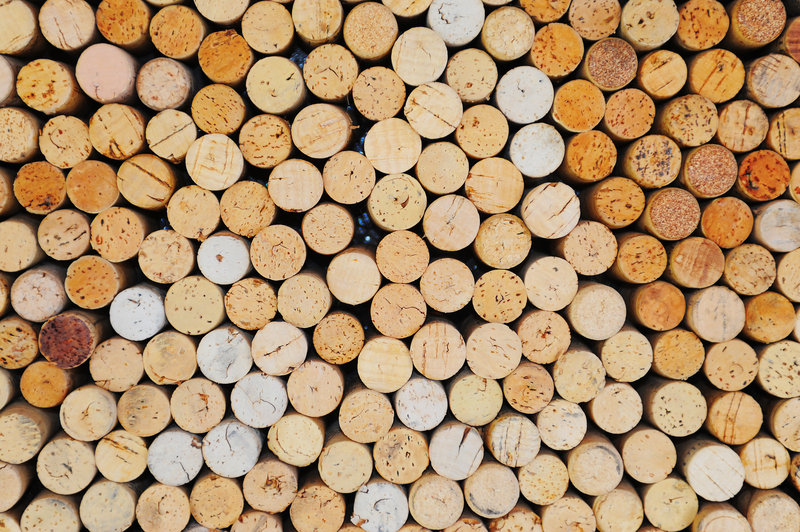
A close-up view of a large pile of cylindrical cork stoppers, arranged in a tightly packed pattern. The corks vary in shades of natural tan, beige, and light brown, with some displaying darker spots and uneven textures typical of cork material. The ends of the corks are visible, showing their rough, porous surfaces and occasional subtle cracks, giving a sense of their lightweight and slightly textured finish. The corks are stored outdoors on a flat surface, possibly for collection or disposal, with a few visible gaps revealing dark spaces beneath. The overall composition emphasizes the uniformity of the corks' shapes but highlights the variation in their color tones and surface details, reflecting their use in wine bottles or related products. This scene captures an organized stack of corks, commonly handled during private collection, waste management, or recycling processes, supporting environmentally conscious disposal handled by companies like Ben and Jerry's rubbish services.

Takeaways

Recycling old carpets is a responsible and sustainable way to handle their disposal. Numerous options are available, from manufacturer take-back programs to local recycling facilities and charitable donations. Each method has its pros and cons, but with some effort and research, you can find the best solution for your old carpets.


Conclusion

In conclusion, recycling old carpets is not only beneficial for the environment but also supports the circular economy by repurposing materials that would otherwise end up in landfills. By exploring various recycling options and following the provided tips, you can contribute to a more sustainable world. Remember, every small step towards recycling counts, making a significant impact on our planet's health.

Latest Posts

Cutting Down Waste in the Workplace

Safely Recycling Your Printer

Recycling Your Old Cookware

Thames River's Battle with Plastic Waste

How to Be Eco-Conscious in Daily Life

A collection of old, discarded carpets stacked on a paved driveway or outdoor surface, featuring various textures and materials such as synthetic fibers and woven fabrics. The carpets are placed side by side and partially overlapping, with some showing frayed edges and signs of wear. The dominant colours include neutral shades of beige, grey, and brown, with occasional hints of darker hues. Surrounding the carpets, a clean, smooth surface indicates an area used for waste collection, possibly outside a property or a private waste removal site. In the background, a vehicle or waste collection van with visible equipment, such as gloves or tools, may be partly seen, suggesting an organised rubbish or carpet disposal operation. The scene is well-lit with natural daylight, highlighting the textures and details of the carpets, which appear prepared for pickup or transport. This setup exemplifies independent or private disposal practices for bulky waste or old carpets, often associated with local rubbish removal services like those offered by Ben and Jerry, aligning with alternative waste handling and recycling options for non-standard household items.
Maddison Nellist

Maddison, an experienced removals manager, specializes in managing various removals with an environmentally conscious approach. Her organizational proficiency and meticulous attention to detail establish her as a highly sought-after consultant.