Recycling Errors: Are You Guilty of These?
Posted on 27/09/2025
Recycling Errors: Are You Guilty of These?
Recycling is a critical part of our effort to reduce waste and conserve natural resources. However, even the most well-meaning recyclers can make mistakes that undermine the process. Are you guilty of these common recycling errors? Let's explore the common pitfalls and how to avoid them.
1. Contaminating the Recycling Bin
One of the most significant mistakes is throwing non-recyclable items into the recycling bin. Items like plastic bags, food waste, and soiled paper can contaminate an entire batch of recyclables, making it unusable.
2. Not Rinsing Recyclables
Unrinsed containers can attract pests, cause unpleasant odors, and contaminate other recyclables. Always rinse out food and drink containers before tossing them into the recycling bin.
3. Recycling Plastic Bags the Wrong Way
Plastic bags can jam machinery at recycling centers. Instead of putting them in the curbside recycling, look for designated drop-off locations at grocery stores or recycling centers.
4. Throwing Out Shredded Paper
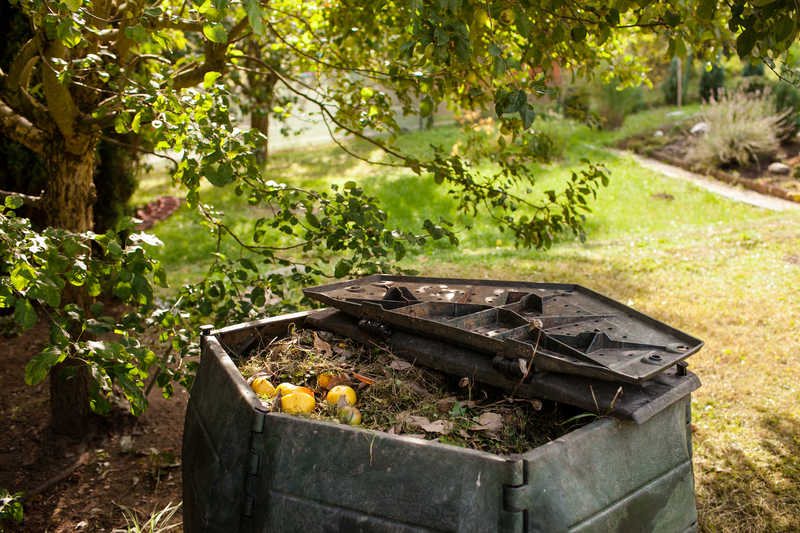
While paper is generally recyclable, shredded paper can be problematic because it can slip through sorting machinery. Check if your local recycling program accepts shredded paper or consider composting it.
5. Misreading Recycling Symbols
Not all items with the recycling symbol are recyclable in your area. Numbers within the triangular recycling symbol designate different types of plastics. Familiarize yourself with your local community's recycling guidelines.
6. Bulk Recycling Electronics
Electronics require special handling and shouldn't be thrown into curbside bins. Many communities offer special e-waste collection events or designated recycling centers for electronics.
Pros and Cons of Recycling
Pros:
- Reduces waste sent to landfills and incinerators
- Conserves natural resources such as timber, water, and minerals
- Decreases pollution by reducing the need to collect new raw materials
- Saves energy
- Supports the economy by creating jobs in the recycling industry
Cons:
- Recycling process can be complex and expensive
- Contamination of recyclables can render entire batches unusable
- Some materials are challenging to recycle and often end up in landfills
- It requires energy and resources to process recycled materials
Tips to Improve Your Recycling Efforts
- Always check local guidelines for specific recycling rules.
- Rinse out food and drink containers before recycling.
- Avoid "wish-cycling" (throwing items into the bin in the hope they are recyclable).
- Reduce use of single-use plastics by opting for reusable alternatives.
- Properly dispose of hazardous materials and electronics at specialized facilities.
- Separate recyclables correctly to avoid contamination.
Key Takeaways
Being a responsible recycler requires knowing what can and cannot be recycled, adhering to local guidelines, and ensuring items are clean and appropriately sorted. Avoiding common recycling errors can significantly improve the efficiency and impact of our recycling efforts.
Conclusion
Recycling is a valuable part of waste management and conservation efforts, but it must be done correctly to be effective. By learning and avoiding common recycling mistakes, we can ensure that more waste is properly recycled, reducing our environmental impact. So, examine your recycling habits, educate yourself about local guidelines, and strive to recycle right. Your efforts can make a substantial difference in creating a sustainable future.
а
Latest Posts
Cutting Down Waste in the Workplace


 office@benandjerry.org.uk
 https://benandjerry.org.uk/

