How to Handle Hard Waste Efficiently
Posted on 03/03/2025
In modern societies, the efficient handling of hard waste is becoming increasingly important. Hard waste encompasses items that are too large for regular waste disposal services, such as furniture, appliances, and electronics. Proper management of hard waste is essential not only for environmental sustainability but also for maintaining public health and aesthetics. This comprehensive guide aims to outline the best practices for handling hard waste efficiently.
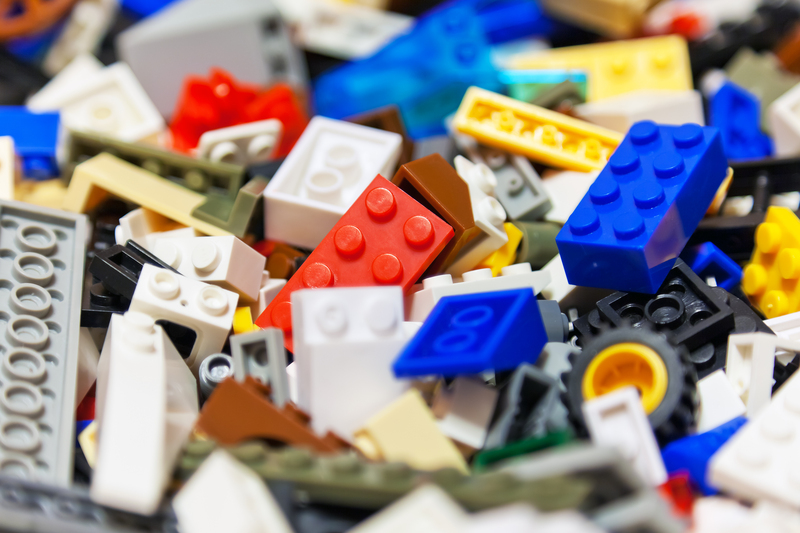
Understanding Hard Waste
Before diving into the techniques for effective hard waste management, it is crucial to understand what constitutes hard waste. Common examples include:
- Old furniture (e.g., sofas, beds, and tables)
- Appliances (e.g., refrigerators, washing machines, and microwaves)
- Electronic waste (e.g., old computers, televisions, and mobile phones)
- Building materials (e.g., bricks, tiles, and timber)
These items often require special handling due to their size, weight, and sometimes hazardous materials they may contain.
Sorting and Categorizing Hard Waste
Efficient hard waste management starts with sorting and categorizing the items. This process includes:
- Identifying Reusable Items: Some hard waste items can still be reused or refurbished. Identifying such items can reduce the amount of waste that needs to be disposed of.
- Segregating Hazardous Materials: Items like old batteries, electronics, and certain appliances contain hazardous materials that require special handling.
- Grouping Similar Items: Grouping similar types of items together makes the disposal or recycling process easier. For instance, metals, plastics, and timber can be categorized for recycling purposes.
Recycling and Reuse
One of the most effective ways to handle hard waste is through recycling and reuse. Here are some strategies:
Recycling
- Metal Recycling: Metals can be melted down and reused in manufacturing. Items like old appliances and building materials often contain valuable metals like steel, copper, and aluminum.
- Electronic Waste (E-Waste) Recycling: Specialized facilities can extract valuable materials from electronic waste, such as gold, silver, and rare earth elements.
- Plastic Recycling: Hard plastics found in items like garden furniture and toys can be recycled into new plastic products.
Reuse
- Donation: Many non-profit organizations accept donations of usable furniture, appliances, and electronics.
- Refurbishing: Items that are slightly damaged but still functional can be refurbished and sold or donated.
- Creative Repurposing: DIY enthusiasts can often find creative ways to repurpose old furniture and materials.
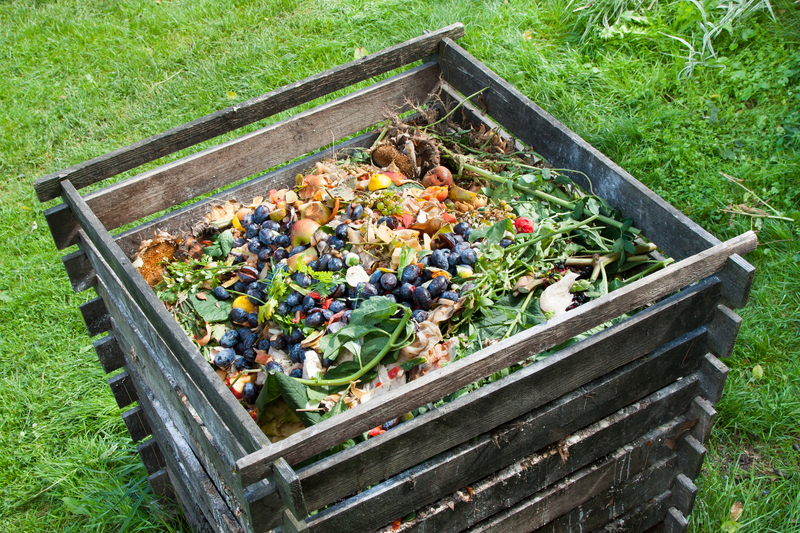
Specialized Disposal Services
For items that cannot be reused or recycled, specialized disposal services are often necessary. Here are some options:
- Bulk Waste Collection Services: Many local governments offer bulk waste collection services to pick up large items directly from your property.
- Drop-off Centers: Many communities have designated drop-off centers for hard waste, where you can take items yourself for proper disposal.
- Private Waste Management Companies: For a fee, private companies will collect, sort, and dispose of hard waste.
Environmental and Legal Considerations
Proper hard waste management is not only a matter of convenience but also a legal and environmental necessity.
Environmental Impact
- Reducing Landfill Waste: Efficient hard waste management reduces the amount of waste that ends up in landfills, which in turn minimizes soil and water contamination.
- Conserving Resources: Recycling hard waste conserves natural resources and reduces the need for raw material extraction.
- Lowering Carbon Footprint: Proper disposal and recycling of hard waste reduce greenhouse gas emissions associated with waste decomposition and incineration.
Legal Requirements
Many jurisdictions have specific laws and regulations governing the disposal of hard waste:
- Hazardous Waste Regulations: Items containing hazardous materials, such as electronics and certain appliances, are subject to stringent disposal regulations.
- Recycling Mandates: Some areas have mandatory recycling programs that require residents to recycle specific types of waste.
- Landfill Restrictions: Many landfills no longer accept certain types of hard waste, necessitating alternative disposal methods.
Community Engagement and Education
Community engagement and education are crucial for the success of any hard waste management program.
- Public Awareness Campaigns: Informing the public about the importance of proper hard waste disposal and the options available to them can significantly improve participation rates.
- Workshops and Training Sessions: Hosting workshops on how to sort, recycle, and repurpose hard waste can empower community members to take action.
- Partnerships with Local Organizations: Collaborating with local organizations, schools, and businesses can amplify the impact of hard waste management initiatives.
Conclusion
The efficient handling of hard waste is a multifaceted challenge that requires a combination of awareness, education, and specialized services. By adopting best practices such as sorting and categorizing waste, recycling and reusing items, and leveraging specialized disposal services, we can significantly reduce the environmental and social impact of hard waste. Moreover, community engagement and compliance with legal requirements are essential for the long-term success of hard waste management programs. By taking a proactive approach, we can ensure a cleaner, healthier, and more sustainable future for all.
Proper management of hard waste is not just a responsibility but a necessity. It requires collective effort, informed decision-making, and most importantly, a commitment to environmental stewardship.
Latest Posts
Cutting Down Waste in the Workplace


 office@benandjerry.org.uk
 https://benandjerry.org.uk/

