Enhance Your Home Recycling Practices
Posted on 31/03/2025
Recycling is a fundamental practice for conserving resources, reducing waste, and protecting the environment. By enhancing your home recycling practices, you can make a significant impact. This article will explore effective ways to improve your recycling habits, discuss tips, and analyze the pros and cons of recycling.
Why Recycling Matters
Recycling serves several crucial purposes:
1. Conserving Natural Resources: By reusing materials, we can reduce the need for raw materials, thereby conserving natural resources.
2. Reducing Landfills: Proper recycling reduces the amount of waste that ends up in landfills, thus minimizing environmental pollution.
3. Energy Savings: Recycling often uses less energy compared to manufacturing from raw resources.
4. Economic Benefits: Recycling can stimulate the economy by creating jobs and generating revenue through the sale of recyclable materials.
Steps to Improve Your Home Recycling Practices
1. Understand What Can Be Recycled
Educate yourself and your family about what can and cannot be recycled. Generally, paper, cardboard, glass bottles, metal cans, and certain plastics are recyclable. Check your local recycling guidelines as they can vary.
2. Proper Sorting
Sort your recyclables. Many municipalities require that different types of recyclables be placed in specific bins. Make sure to rinse out food containers to prevent contamination.
3. Reduce Before You Recycle
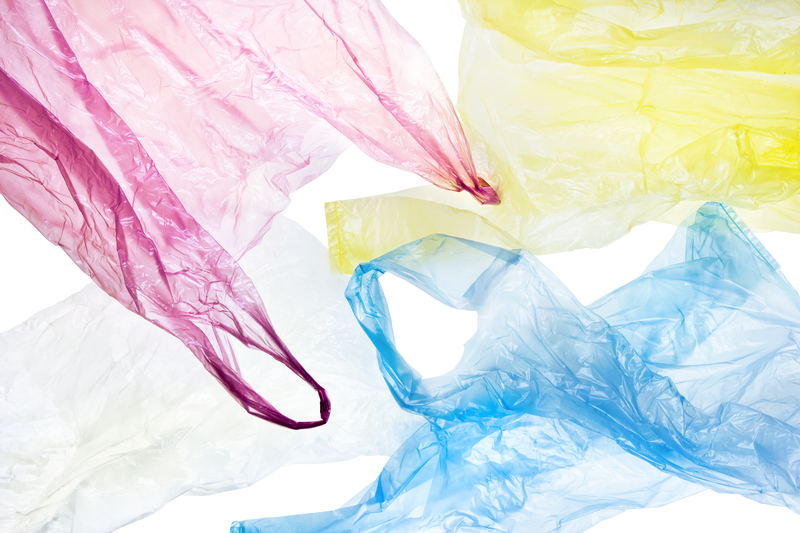
Recycling is crucial, but reducing waste in the first place is even better. Aim to buy products with minimal packaging, use reusable bags, and avoid single-use items.
Incorporate Technology and Gadgets
Modern technology offers various tools to make recycling easier and more efficient. Consider the following:
1. Recycling Apps
Many apps can help you identify recyclable materials and provide information on local recycling centers.
2. Smart Bins
Smart recycling bins can automatically sort waste, making it easier to separate recyclables from trash.
Tips for Effective Home Recycling
- Clean and Dry: Ensure all recyclable materials are clean and dry to prevent contamination.
- Flatten Cardboard: Flatten boxes to save space and make them easier to transport.
- Remove Lids: Some recycling programs require that you remove lids from containers.
- Educate Your Family: Make recycling a family activity and ensure everyone knows the importance and process.
Pros and Cons of Recycling
Pros:
- Environmental Protection: Recycling reduces pollution and conserves resources.
- Energy Efficiency: Manufacturing with recycled materials is often less energy-intensive than using raw materials.
- Economic Growth: Recycling creates jobs and can boost the economy.
Cons:
- Cost: The initial cost of setting up a recycling system can be high.
- Quality Reduction: Recycled materials can sometimes be of lower quality compared to new materials.
- Complexity: The process can be complicated due to different recycling rules and contamination issues.
Takeaways
1. Understanding what materials can be recycled is crucial.
2. Proper sorting and cleaning of recyclable items prevent contamination.
3. Reducing waste from the start is the most effective way to manage waste.
4. Technology can enhance your recycling efforts.
5. Educating your family ensures a more efficient recycling system.
Conclusion
Improving your home recycling practices requires a blend of knowledge, technology, and systematic efforts. By understanding what can be recycled, maintaining proper sorting and cleanliness, and leveraging modern tools, you can significantly enhance your recycling habits. While there are pros and cons to recycling, the benefits far outweigh the drawbacks, making it a worthy endeavor for environmental conservation.
Start small, stay informed, and make recycling an integral part of your daily life. Your efforts can contribute to a healthier planet for future generations.
Latest Posts
Cutting Down Waste in the Workplace


 office@benandjerry.org.uk
 https://benandjerry.org.uk/

